
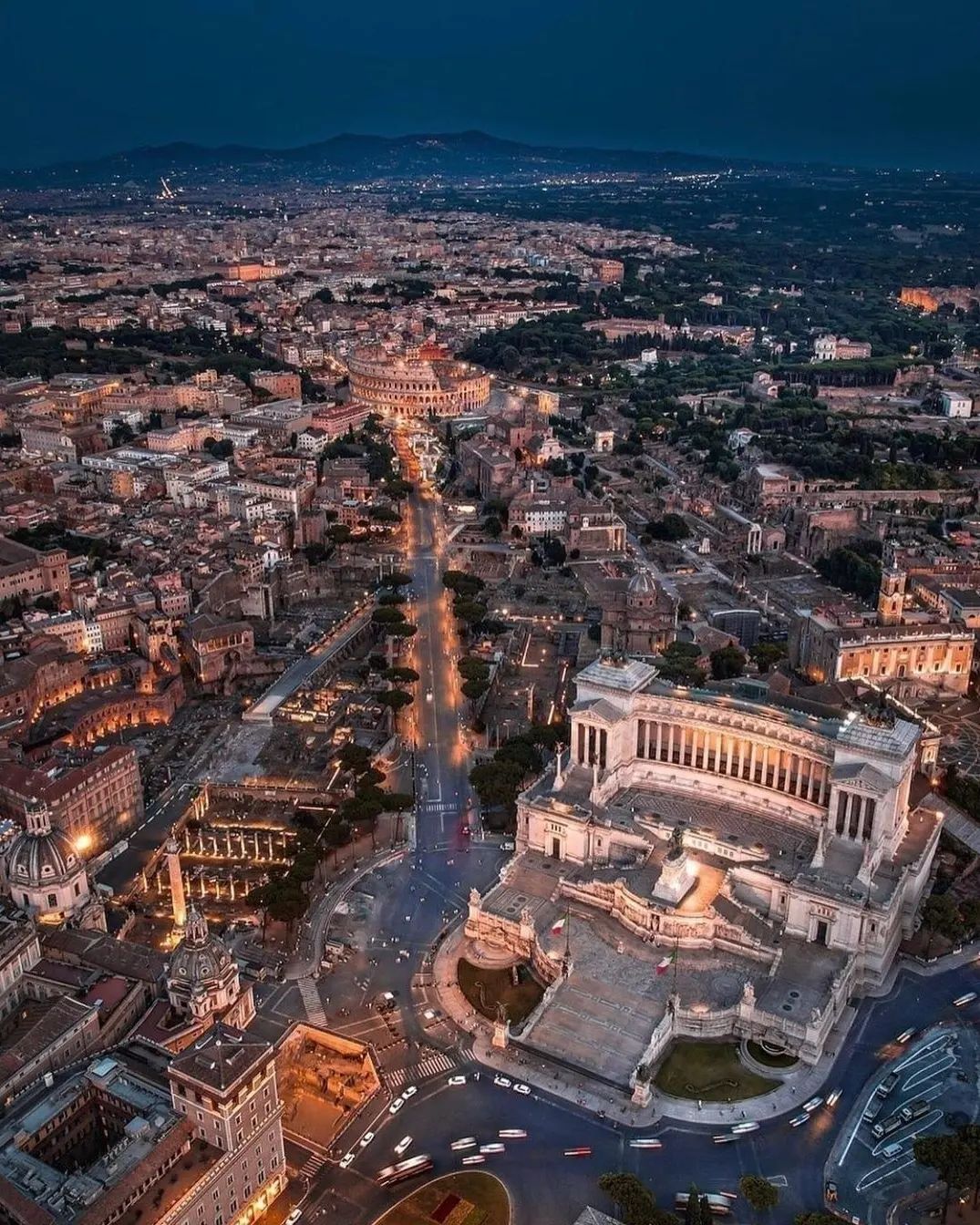
Rome is the capital city of Italy. It is also the capital of the Lazio region, the centre of the Metropolitan City of Rome, and a special comune named Comune di Roma Capitale.
Rome was called the “Eternal City” by the ancient Romans because they believed that no matter what happened in the rest of the world, the city of Rome would always remain standing. Exploring the city centre by foot surrounded by glorious monuments and colossal remains takes you back in time to the “glory that was Rome”.
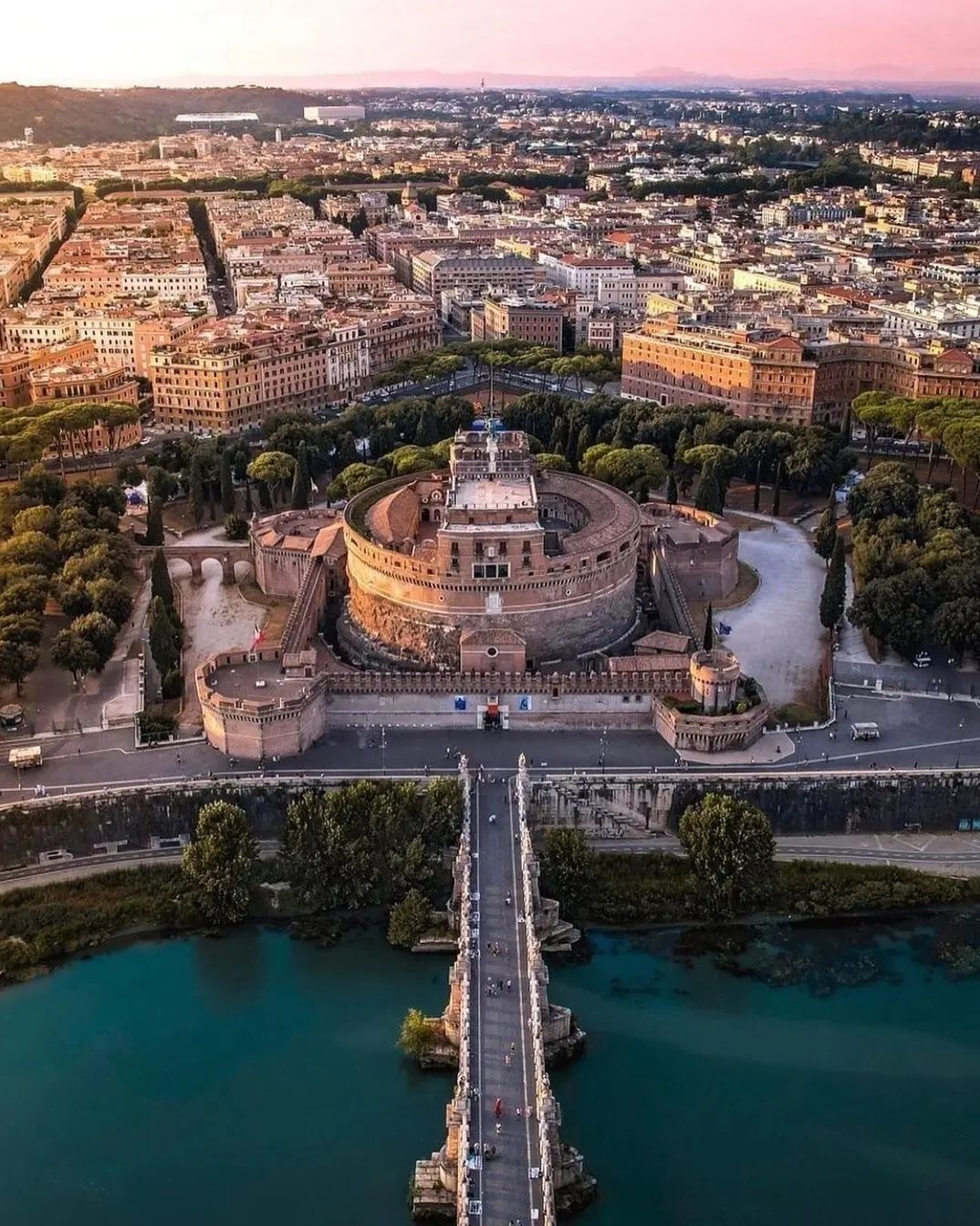
It isn’t hard to understand why the capital city of Italy has developed this nickname. It’s existed since at least 753 BC and has been at the center of world culture ever since. Its almost three millennia of history, culture, and architecture make it one of the most exciting cities to visit in Europe and the world.
Rome is famous for the Colosseum, the Roman Forum, and a sprawling metropolis of Classical architecture. But the city is known for more than its ancient history: it is home to the Spanish Steps, the Trevi Fountain, incredible food, gardens and art, and a world-famous film industry.
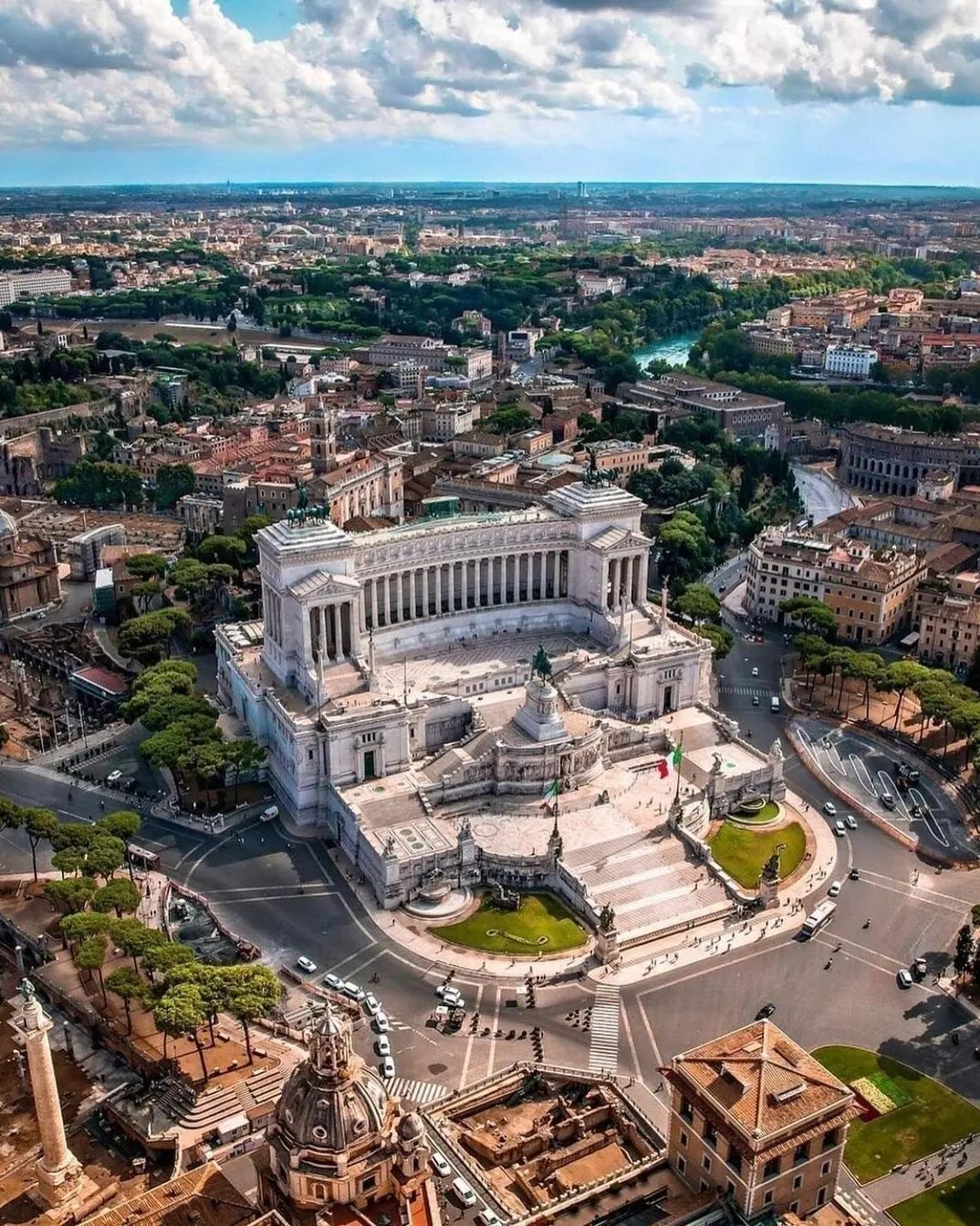
Why visit Rome?
With its unparalleled history, Rome is the third most visited city in Europe and the fourteenth worldwide. It attracts visitors from all over the world who are impatient to discover the city’s impressive monuments and archaeological sites; not to mention its renowned cuisine and its lively atmosphere.
When exploring the Colosseum, visitors will easily imagine how the gladiators fought for their life in the arena, cheered by the crowd. In the Circus Maximus, travelers will picture the chariots crashing into each other in order to be first in the race, and in the Roman Forum visualise what the Roman public life was like.
Top Attraction of Rome
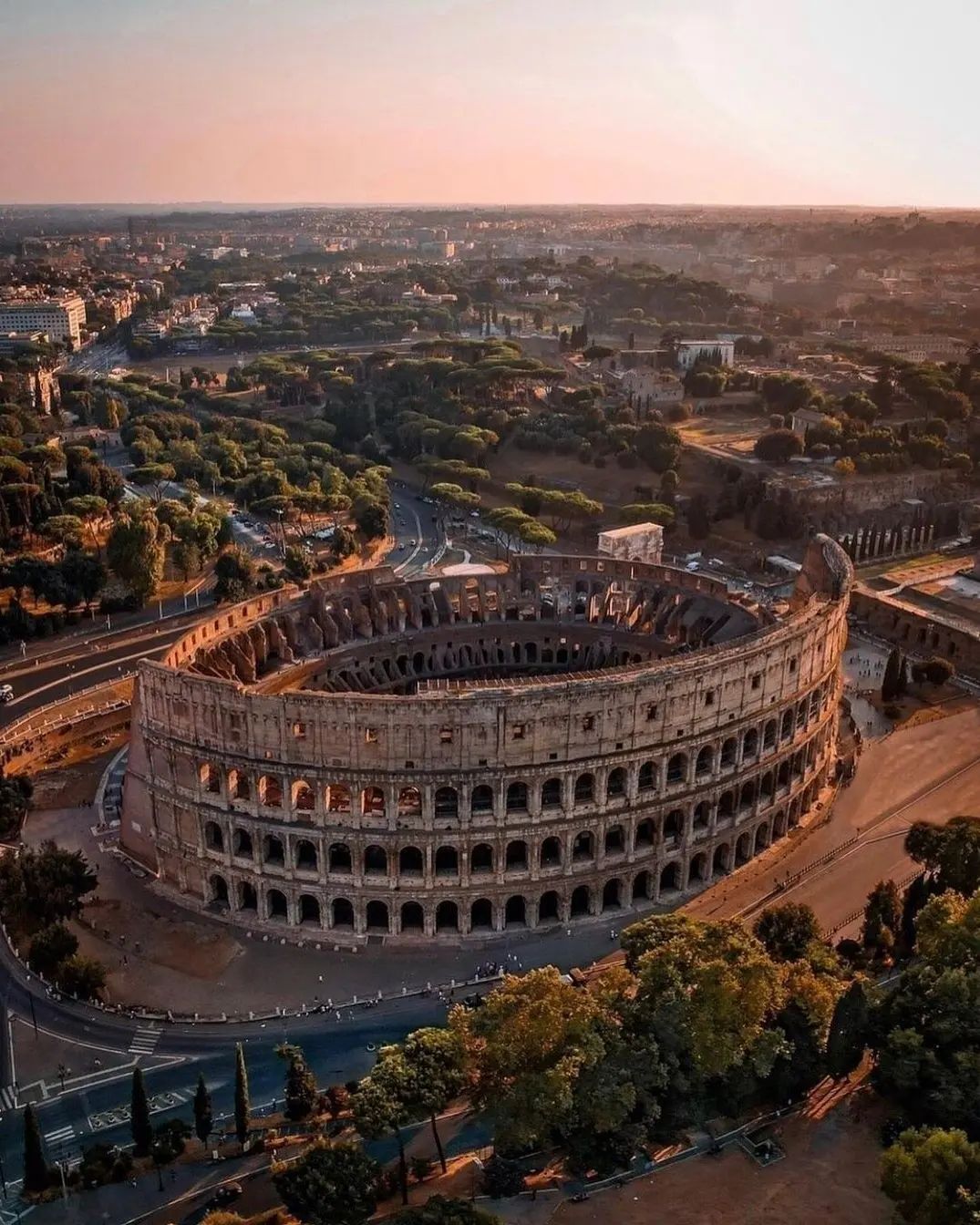
Colosseum
Known as the Flavian Amphitheatre, the Roman Colosseum is one of the capital’s most remarkable monuments. Every year over 6 million people visit it.
The construction of the Colosseum began in the year 72 under the empire of Vespasian and was finished in the year 80 during the rule of the emperor Titus. After completion, the Colosseum became the greatest Roman amphitheatre, measuring 188 meters in length, 156 meters in width and 57 meters in height.
At present the Colosseum is, along with the Vatican City, Rome’s greatest tourist attraction. Each year 6 million tourists visit it. On 7 July 2007 the Colosseum became one of the Seven Wonders of the Modern World.
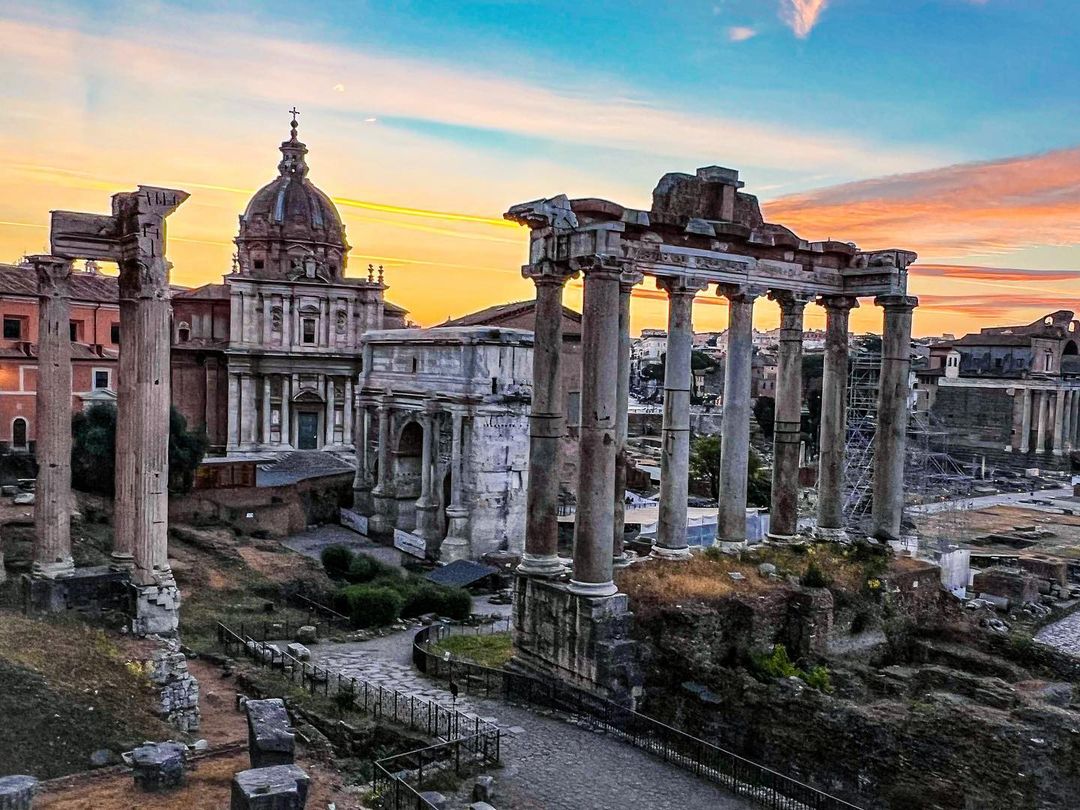
Roman Forum
The Roman Forum was where religious and public life in ancient Rome took place. The Forum is, along with the Colosseum, the greatest sign of the splendour of the Roman Empire that can be seen today.
Located between Piazza Venezia and the Colosseum, the Roman Forum was the hub of political and social activity of the Roman citizens.
Besides the great number of temples that are in the forum (Saturn, Venus, Romulus, Vesta, etc.), it is worth paying special attention to the following points of interest:
- Via Sacra: This was the main street in ancient Rome which linked the Piazza del Campidoglio with the Colosseum.
- Arch of Titus: This is a triumphal arch that commemorates Rome’s victory over Jerusalem. It was built after the death of the emperor Titus.
- Arch of Septimius Severus: An arch erected in the year 203 A.D. to commemorate the third anniversary of Septimius Severus as the emperor.
- Temple of Antoninus and Faustina: Built in the second century, the Temple of Antoninus and Faustina sets itself apart as the best preserved temple in the Roman Forum.
- Basilica of Maxentius and Constantine: Though now mostly destroyed, its size suggests that this was one of the most important buildings of the Roman Forum.
- The Curia: In this building the Senate met to make administrative decisions and about the Roman government.
- Column of Phocas: Erected in the year 608 A.D. in honour of the emperor of Byzantium, this column, which is over 13 meters high, is one of the few that have remained standing since being built.
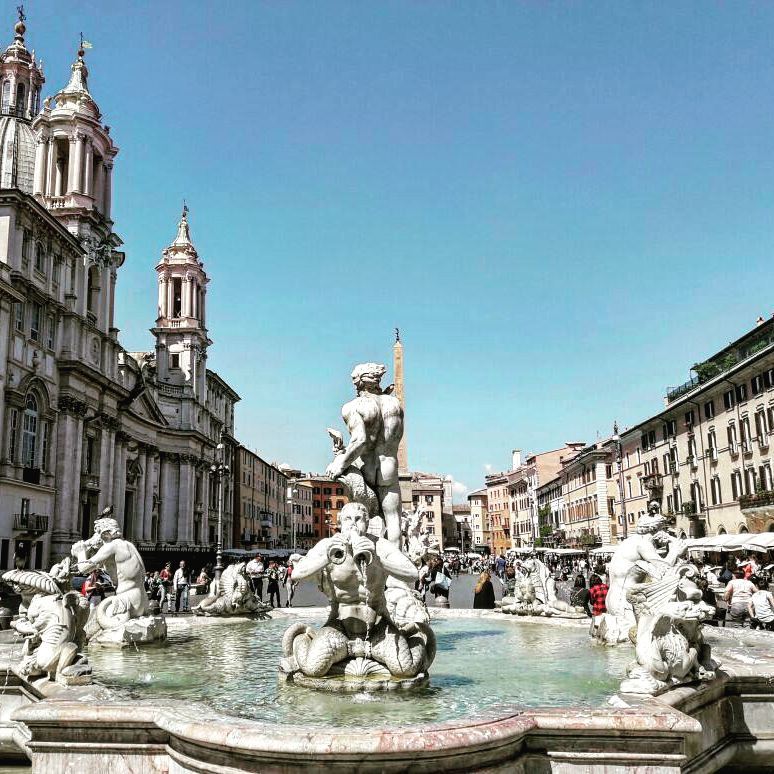
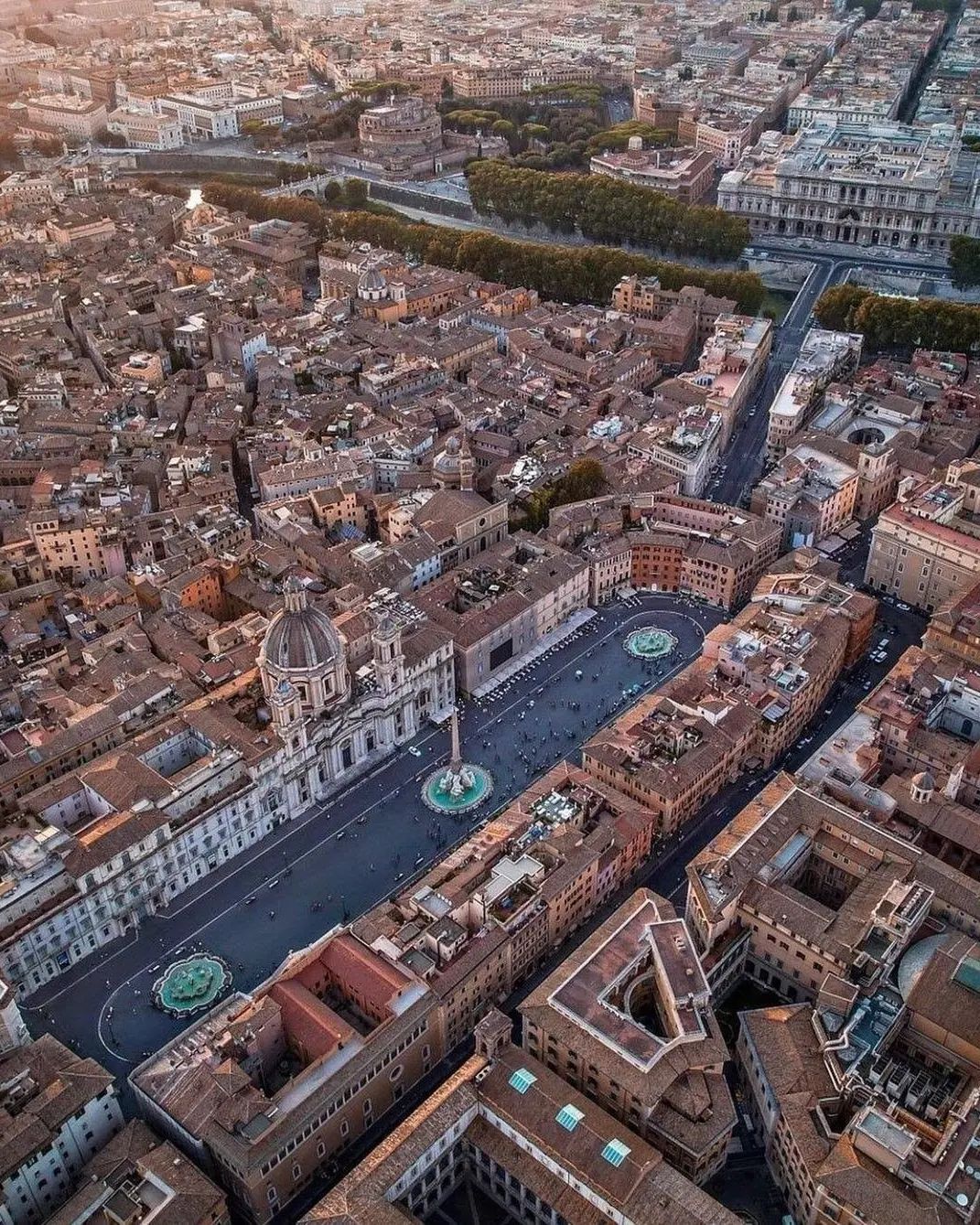
fountains Piazza Navona
Defined during the fifteenth century, the Baroque-style Piazza Navona is one of the most charming and popular squares in Rome.
The square is surrounded by restaurants and terraces giving Piazza Navona a lively and delightful atmosphere during the day. Here, visitors can enjoy performances by street artists like magicians and dancers.
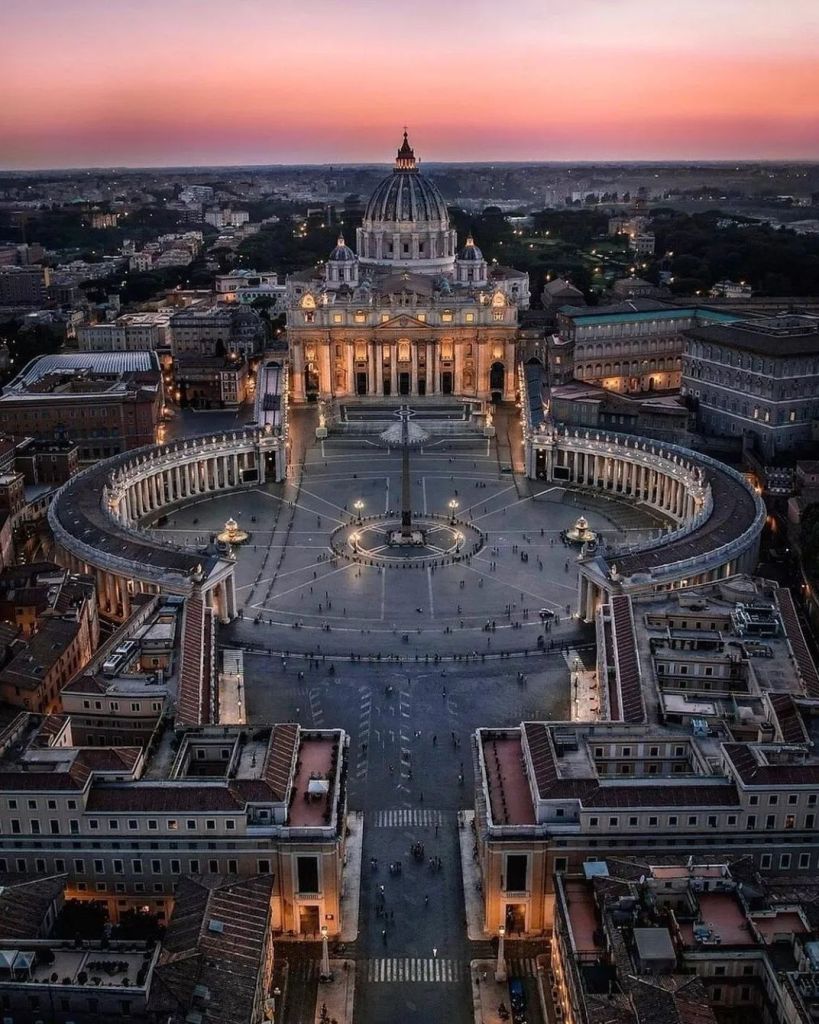
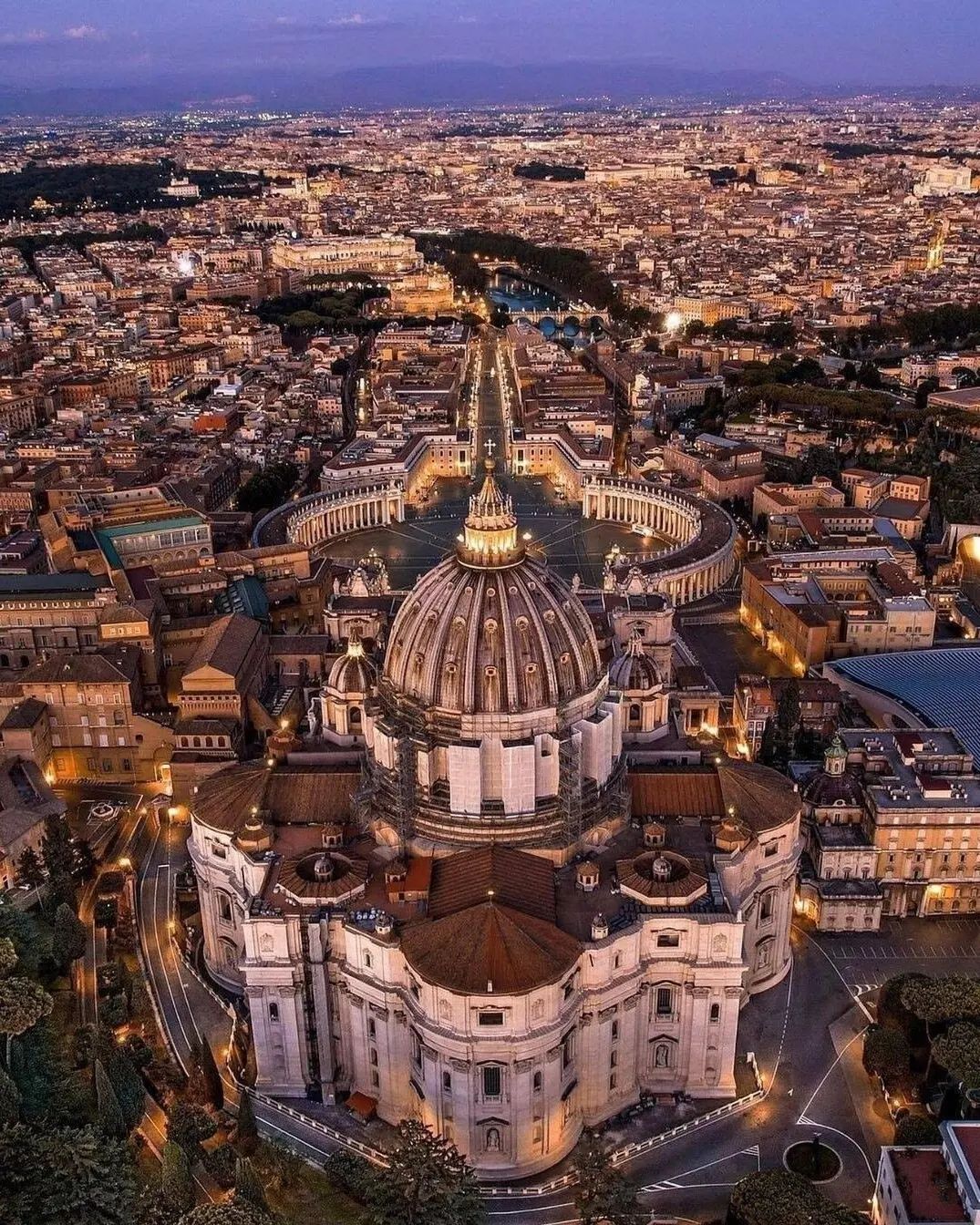
St. Peter’s Square
St. Peter’s Square is one of the largest and most beautiful squares in the world. It is located in Vatican City, at the feet of St. Peter’s Basilica.
The dimensions of the square are spectacular: 320 meters long and 240 meters wide. In the liturgies and more noticeable events St. Peter’s Square has held more than 300,000 people.
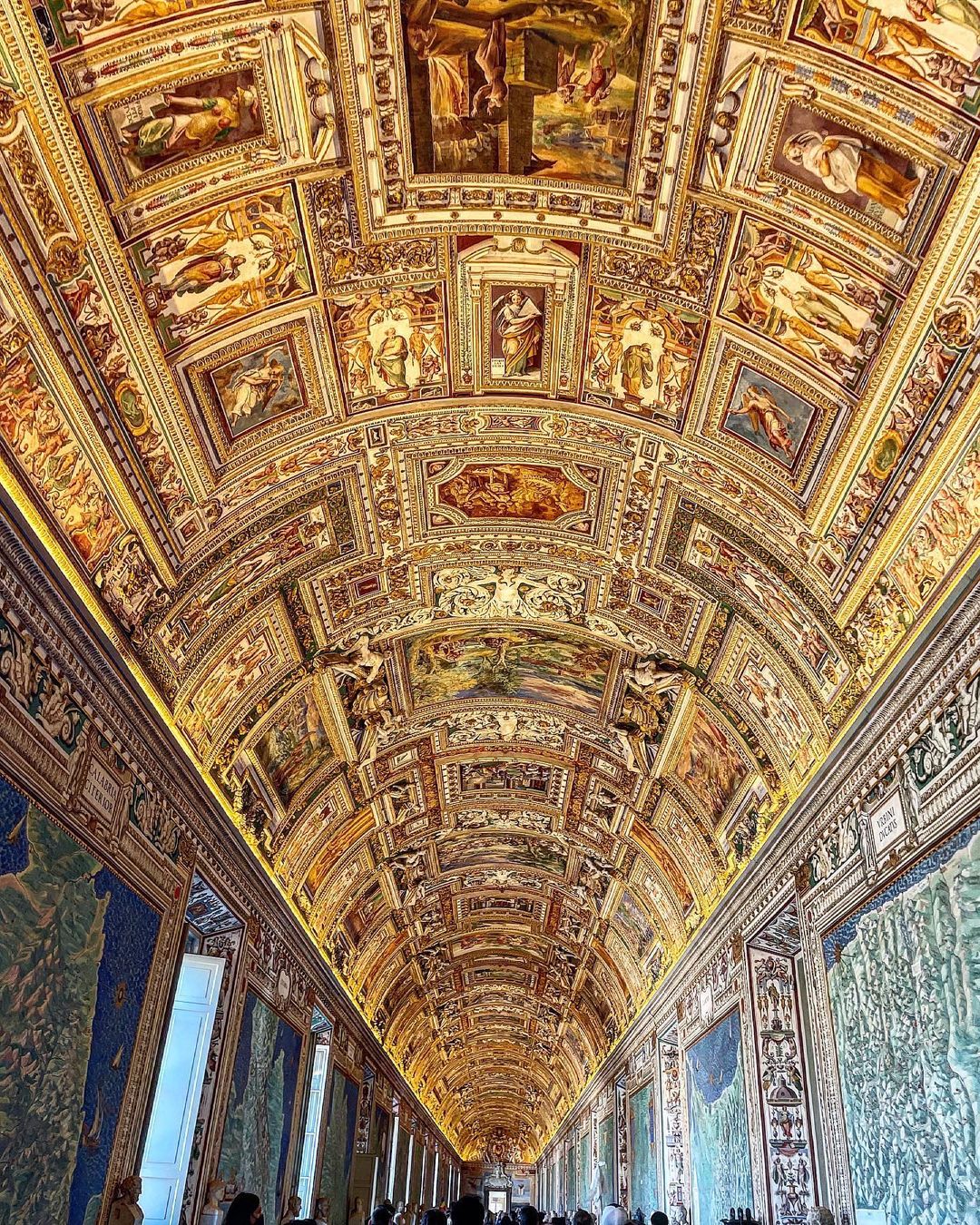
Sistine Chapel
Regarded as Michelangelo’s masterpiece, the Sistine Chapel (Cappella Sistina) is a jaw-dropping attraction you must see at least once in your lifetime.
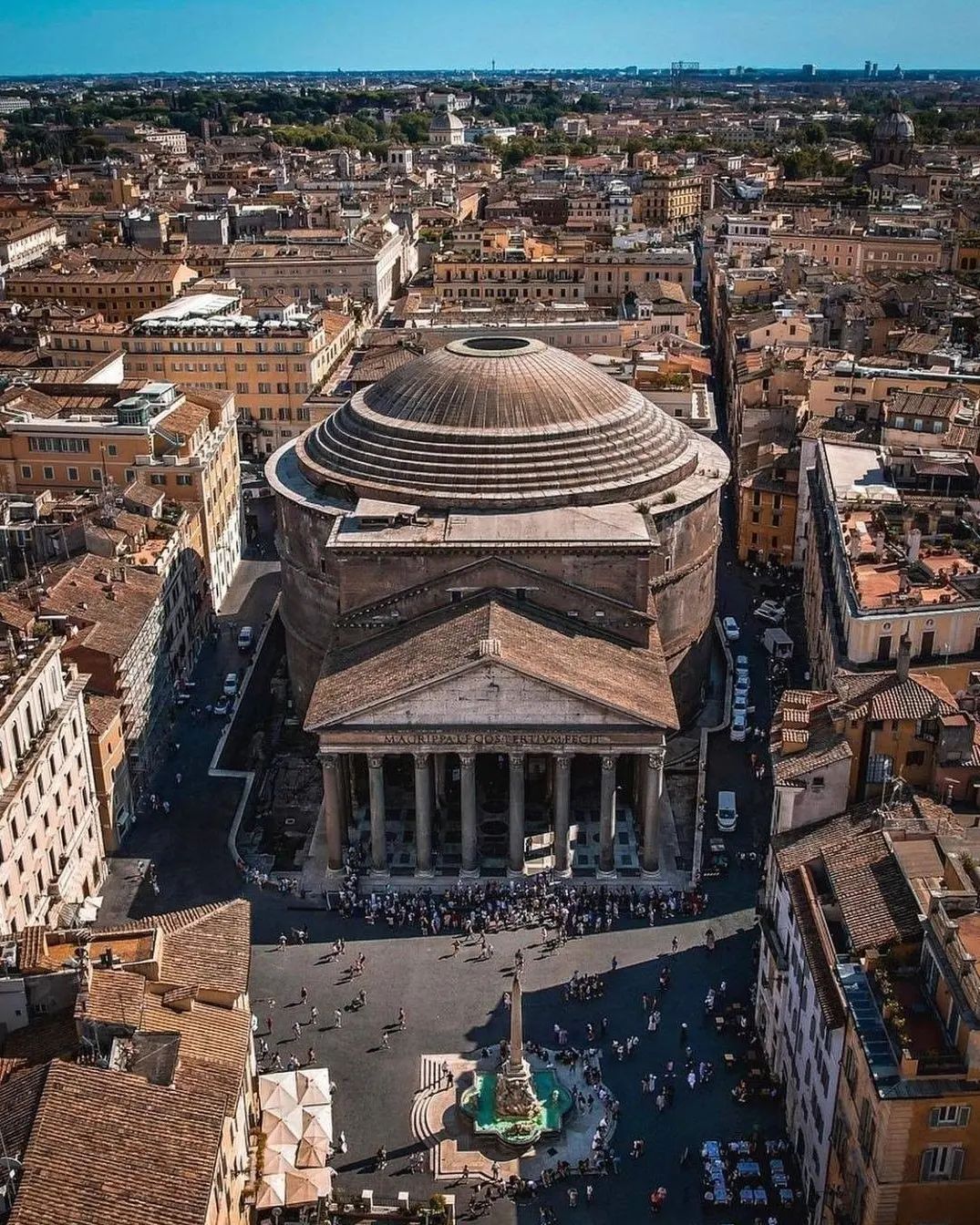
Pantheon
The Pantheon of Agrippa, also known as the Roman Pantheon, is one of the architectural masterpieces of the Italian capital. It is the best preserved building from ancient Rome.
The most surprising aspect of the architecture in the Pantheon is its measurements: the circular building has exactly the same diameter as its height: 43.5 metres. The dome, which has the same diameter, is bigger than that of St. Peter’s Basilica. At its top, a 9 meter diameter opening allows natural light to illuminate the entire building.
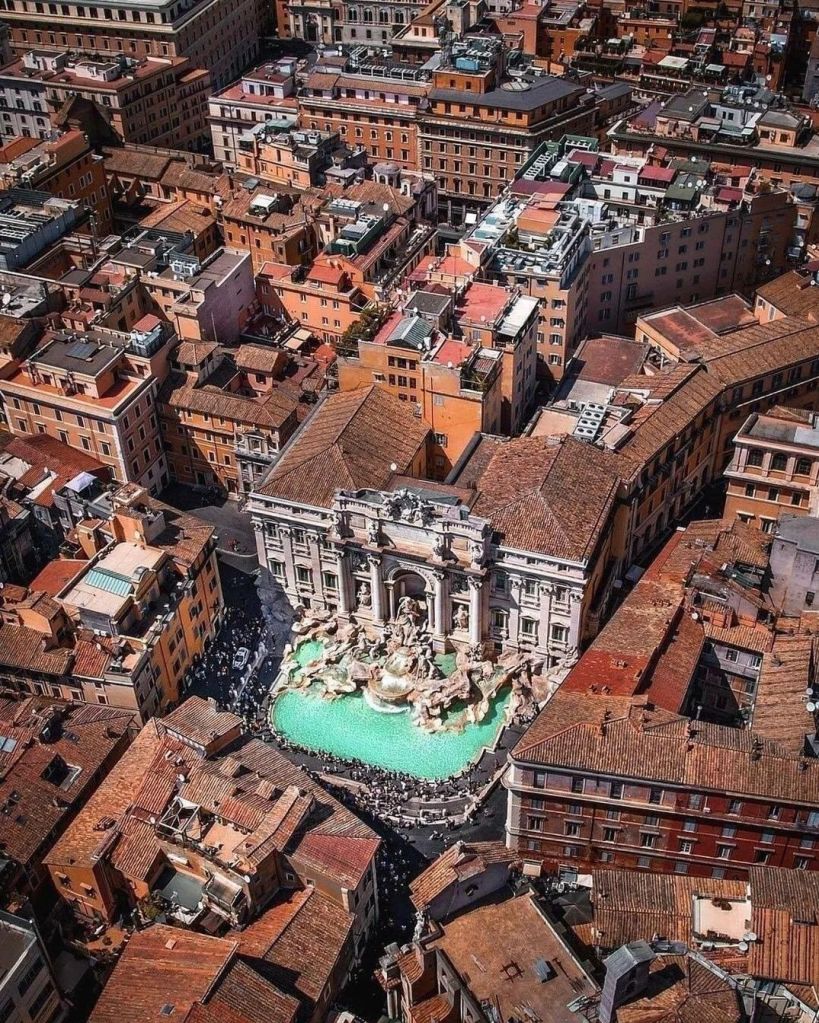
Trevi Fountain
The most famous fountain in the world is probably the Trevi fountain. Throw a coin in the tourist fountain to make sure you will one day return to visit Rome Italy.
 Travelogram
Leave a comment